


250 t/h River Sand Dredging & Washing Plant Nigeria
A river sand operator working the Niger–Benue confluence near Lokoja, was pumping sand directly from the watercourse and selling it as-was. The raw sand carried high clay content, mixed pebbles and floating debris, which lowered its market value, at the same time, discharging the slurry into the river created an environmental problem.
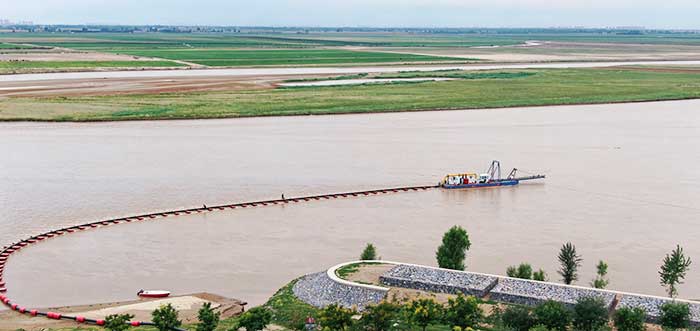
The customer set 3 requirements for the new line: a feed capacity of 250 t/h, a finished concrete-grade sand product(moisture content of around 15%), and zero slurry discharge — the waste sludge had to be dewatered into a transportable cake rather than pumped back into the river.
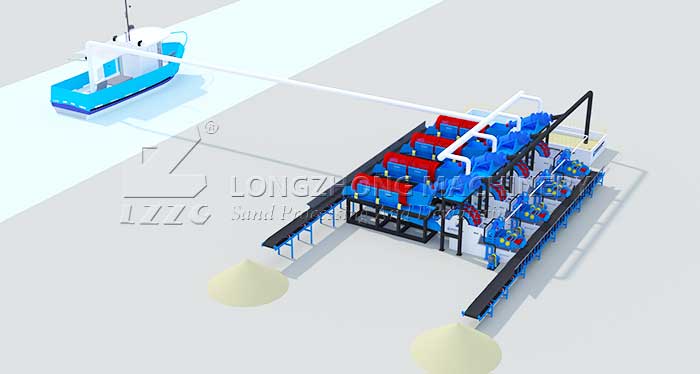
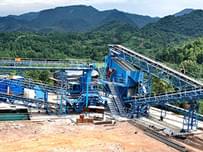
River Sand Process Flow
A dredger pumps the raw river sand from the riverbed and pumps it through a pipeline to the onshore wash plant. On arrival, the slurry first passes over a static grizzly bar screen, which takes out driftwood, rubbish and the largest oversize before anything enters the river sand washing process. The undersize slurry flows into a buffer tank.
From the buffer tank, the slurry is pumped into hydrocyclone cluster, which concentrate and classify the slurry into two streams:
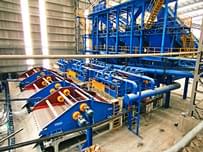
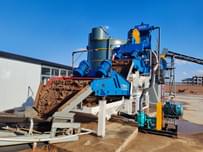
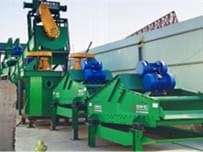
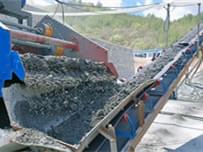
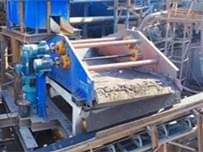
Hydrocyclone Underflow (coarse sand) goes to the trommel screens for washing and further sizing. On the trommel, oversize cobbles and pebbles are separated out and rejected, the undersize falls onto the LZZG sand washing & recycling machines, which wash, recover the fines and dewater the material to produce the finished river sand.
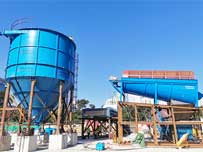
Hydrocyclone Overflow (fines and clay) and the trommel wash water go to gravity thickener for concentration. The underflow is then fed to a filter press and discharged as mud cake for disposal; the thickener overflow and press filtrate are both returned to a clear water tank.
The water in the river sand washing circuit is fully closed-looped. Filter press filtrate and thickener overflow both go back to the clear water tank and on to the intake point, only a small make-up is needed for evaporation and the water carried off by the product.
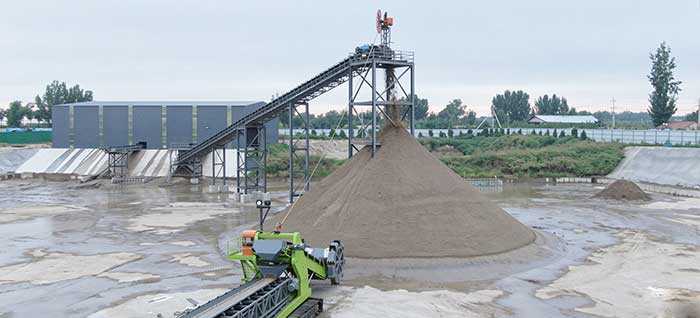
The finished river sand holds a stable mud content and moisture, within the customer’s required range. Slurry that used to sit in ponds for days now passes through the thickener and filter press and comes out as a dry mud cake, loaded straight onto a truck by wheel loader. There is no slurry overflow on site and no settling pond to dig.





Send Message
Please write down your requirement and contact details in the following form. You can also send a message to us by this email export@lylzzg.com, we will reply to you within 24 hours.