


30 T/H Natural River Sand Processing Plant In Pakistan
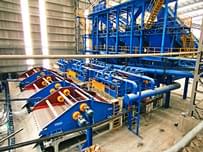
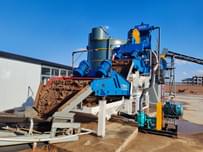
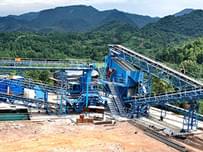
LZZG designed and supplied a natural river sand washing and classification plant for a sand producer in Punjab, Pakistan. The line washes Indus-basin river sand, removes surface silt and clay, dewaters the product and recycles process water through a thickener — sized for 25 t/h normal and 30 t/h design capacity, running about 20 hours a day.
Project Background
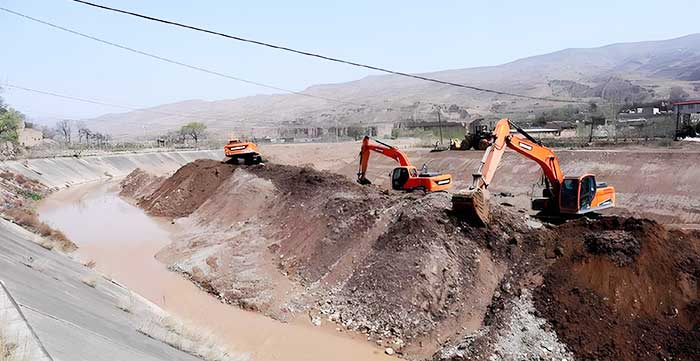
The client sells construction sand across Punjab. Its raw feed is naturally occurring river sand, but the material carries surface silt, clay and excess fines, which stopped it from meeting concrete-grade specifications. The client wanted a custom river sand washing plant with water recycling, rather than a standard package unit or relying on settling ponds alone.
The Challenges
- Surface silt and clay coated the grains, pushing the material above the 3% limit on the 0.075 mm (75 µm) sieve.
- Over-washing wastes saleable sand; under-washing leaves a low-value, dirty product.
- The client needed to recycle wash water without the capital and running cost of a full filter-press installation.
The finished sand had to be a consistent, washed construction sand with less than 3% passing 0.075 mm, dewatered enough to stockpile and load directly.
River Sand Washing Process Flow
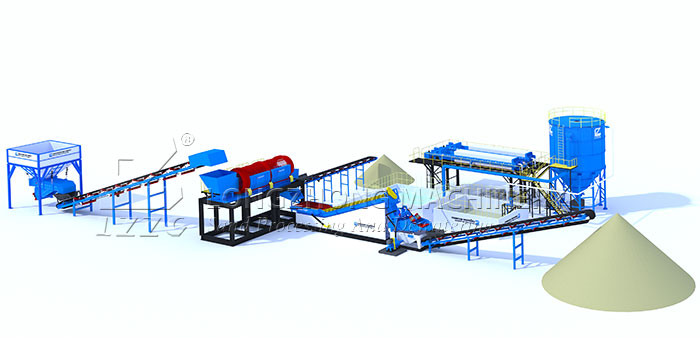
The plant follows a proven natural sand washing and classification circuit:
River sand → Hopper → Vibrating feeder → Trommel washing screen → Hydrocyclone classification → LZZG sand washing & recycling machine (dewatering) → Finished sand stockpile
Slurry overflow → Gravity Thickener → Clear water recycled to the wash plant; thickener underflow → settling pond for natural dewatering and periodic removal
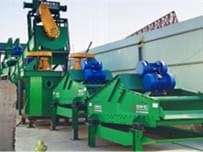
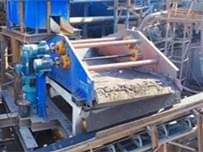
The trommel wets the feed and removes oversize debris. The hydrocyclone separates usable sand from silt-laden overflow, and the LZZG sand washing & recycling machine dewaters the recovered sand in one pass — preventing fine sand from being lost to the slurry.
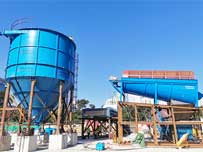
A Gravity thickener closes the water loop: clarified water is pumped back to the wash plant, while thickened underflow is sent to a settling pond to dewater naturally and be excavated periodically. This configuration recycles most of the process water without the investment, consumables and maintenance of a filter press — a practical fit for the site’s water cost and operating conditions.
Washing Results
- Capacity: 25 t/h normal, 30 t/h design on river sand.
- Finished sand: less than 3% passing 0.075 mm, consistent construction-grade gradation.
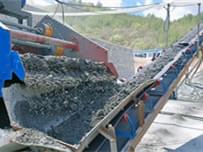
- Product moisture after dewatering: around 15% (typically 12–18%), directly loadable.
- Water system: thickener-clarified water recycled to the wash plant; underflow settled in a pond, no filter press required.
- Minimal fresh-water make-up, no continuous slurry discharge off-site.
FAQ
Q: What moisture content does the dewatered river sand reach?
A: After dewatering on the LZZG sand washing & recycling machine, the finished sand is around 15% moisture (typically 12–18%), ready to load and stockpile.
Q: How are fines and clay removed from natural river sand?
A: The trommel washing screen wets and cleans the feed, a hydrocyclone separates usable sand from silt-laden overflow, and the dewatering screen discharges product with less than 3% passing 0.075 mm.
Q: Does the plant recycle water, and is a filter press used?
A: Yes. A thickener recycles clarified water back to the wash plant. Thickener underflow goes to a settling pond for natural dewatering; no filter press is required for this site.
Q: What is the finished product?
A: Washed construction-grade river sand with a consistent particle-size distribution, suitable for concrete and general construction.





Send Message
Please write down your requirement and contact details in the following form. You can also send a message to us by this email export@lylzzg.com, we will reply to you within 24 hours.