


How Does a Sand Washing Machine Work | Small Wheel Sand Washer
Sand washing machines are widely deployed across gravel quarries, mining operations, building‑material sites, transportation projects, chemical plants, water‑utility facilities and concrete batching stations. Core function of this sand‑washing equipment is to strip impurities and deliver clean, qualified sand and aggregates.
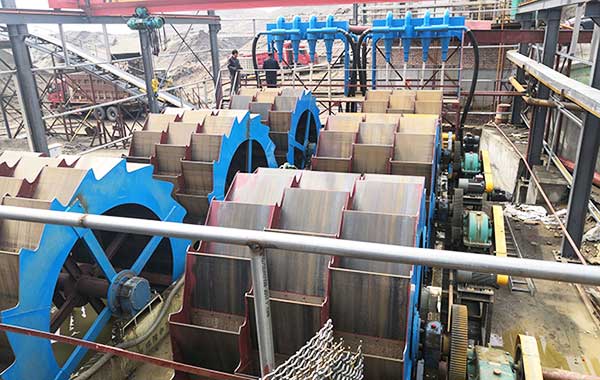
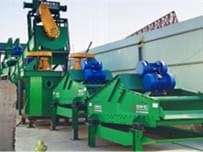
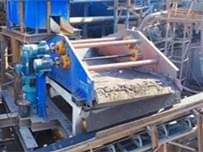
Developed leveraging proven industry‑advanced technologies and tailored to real‑world conditions of sand‑stone processing, LZZG sand washers deliver outstanding performance: high washing efficiency, robust structure, large throughput capacity and minimal fine‑sand loss during operation.
Most importantly, drive bearings of LZZG sand washers are fully isolated from water and abrasive sand particles, significantly lowering failure rates compared with conventional sand‑washing units, making it an ideal upgrade option for modern sand‑washing production lines.
On‑Site Application Case: Sand Washing for Concrete‑Grade Sand Production
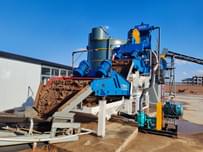
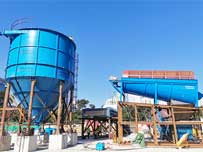
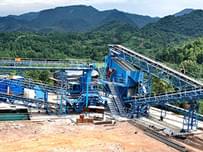
Below is a practical powder‑sand processing reference case using LZZG sand washing machine:
- Raw feed material: Natural sand
- Target finished product: Qualified sand supplied for concrete batching plants
- Daily operating hours: 10 hours per day
- Processing capacity: 50‑80 t/h
- Key equipment deployed: LZZG wheel‑bucket sand washing machine
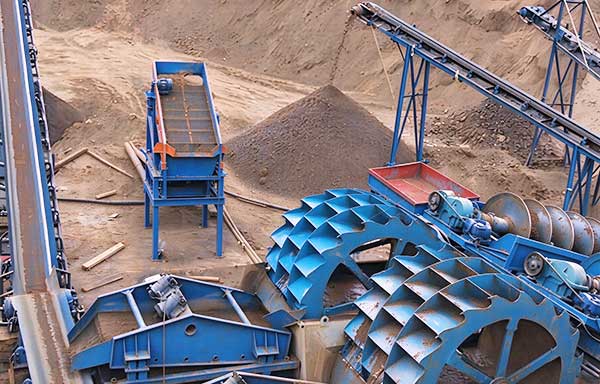
Working Principle of Wheel‑Bucket Sand Washing Machine
During operation, the motor transmits power via V‑belts and reducer, driving the impeller to rotate at low speed.
Raw sand material enters the washing tank through the feed chute. Tumbling motion generated by rotating impeller causes sand particles to rub and grind against each other. This physical scrubbing removes clay, dust and contaminants attached to sand‑stone surfaces, while breaking water‑vapor films around sand grains to support effective dewatering.
Meanwhile, pressurized process water is fed into the tank to create strong flow. Low‑gravity impurities and fine lightweight waste are carried away and discharged through overflow outlets, completing impurity separation.
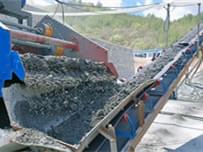
Cleaned sand aggregates are lifted upwards by rotating impeller blades. As sand rises, excess water drips back down into the washing tank. Finally, purified sand is pushed into the discharge chute, completing the full sand‑washing cycle.
Frequently Asked Questions
1. What material can a sand washing machine process?
It handles natural river sand, manufactured crushed sand, gravel and aggregates for concrete and construction‑material applications.
2. Why is bearing isolation important for sand washers?
Separating drive bearings from water and abrasive sand prevents wear, corrosion and premature failure, cutting maintenance frequency and extending service life.





Send Message
Please write down your requirement and contact details in the following form. You can also send a message to us by this email export@lylzzg.com, we will reply to you within 24 hours.