


What Are The Different Tailings Treatment Processes?
Published: 04/23/2026
Tailings treatment processes include tailings reprocessing, tailings dewatering, and tailings filling of mined-out areas. The specific process depends on the scale of the processing plant and the amount of investment required in practice.
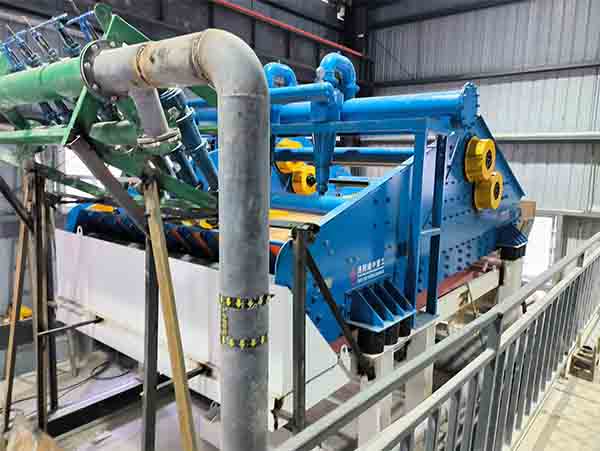
Tailings treatment processes
1. Tailings reprocessing
Reprocessing tailings can largely recover useful components, allowing for full resource recycling and mitigating the environmental impact of tailings.
A. Flotation process
Flotation processes can be used to process tailings containing minerals such as borate, zinc oxide, and apatite. Thanks to advancements in new reagents and processes, recyclable concentrates can be obtained through further flotation.
B. Gravity separation
New gravity separation equipment recovers fine-grained minerals from tailings. Many new gravity separation devices can be applied to the re-selection of fine and ultrafine tailings. Examples include vertical centrifugal concentrators, combined force field shaking tables, and combined force field centrifuges.
C. Microbial treatment and leaching technology
This technology primarily utilizes the biochemical action of microorganisms to improve the properties of tailings. Harmful metal ions are extracted from tailings through microbial leaching or microbial mineralization, thus preventing environmental pollution.
2. Tailings dewatering process
A. Hydrocyclone-based concentration process
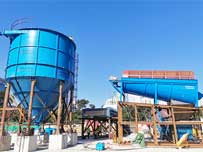
This type of concentration process mainly utilizes hydrocyclones and thickeners in series or in a closed loop to obtain high-concentration concentrated products. Hydrocyclones are characterized by their small footprint and high underflow concentration.
B. Tailings filtration process
In gold tailings treatment, filter presses are commonly used for dewatering. This method has the advantages of low filter cake moisture content and reusable filtrate. However, due to the low processing capacity of a single machine, it is difficult to use it alone for large-scale dewatering of mineral processing tailings.
C. Tailings dry stacking
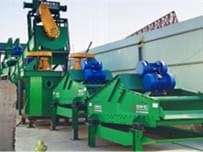
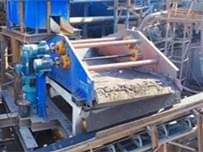
Tailings dry stacking is a new process that uses equipment such as dewatering hydrocyclones, high-frequency dewatering screens, and high-efficiency deep cone thickeners to reduce the water content in tailings to below 15%.
3. Tailings filling of mined-out areas
By utilizing tailings waste, after processing, it can be refilled into the mined-out areas, which can achieve the effects of protecting the terrain and reducing the cost of tailings dams.





Send Message
Please write down your requirement and contact details in the following form. You can also send a message to us by this email export@lylzzg.com, we will reply to you within 24 hours.