


How to Fix Material Leakage in a Vibrating Screen
Published: 03/16/2018
Vibrating screens are core equipment used in the sand and gravel, chemical, and powder industries for material classification and impurity removal, directly determining the quality and precision of the final product. However, during long-term production operations, vibrating screen machines are prone to material leakage. How can users resolve this issue?
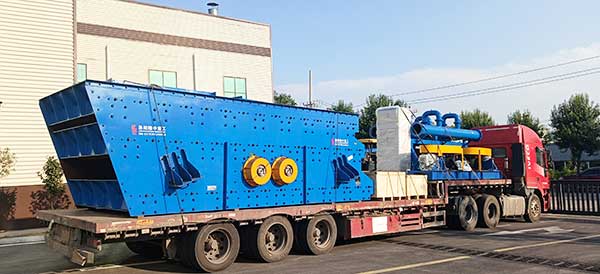
Causes of Material Leakage in Vibrating Screens
1. Improper Design or Assembly of the Screen Frame and Mesh Frame
Fine materials such as powders and slurries place extremely high demands on the equipment’s sealing performance. If the design precision of the screen frame and mesh frame is insufficient or assembly is improper, minute gaps will form between them. During the equipment’s vibrating operation, fine powders and slurries will seep through these gaps, causing continuous material leakage.
2. Damaged or Aged Screen Mesh
The screen mesh is the core component subjected to screening forces. It endures prolonged material impact and friction, making it highly susceptible to wear, holes, and cracks, which can lead to widespread material leakage and directly reduce screening accuracy.
3. Damage and Failure of Sealing Components
Vibrating screens rely on silicone and rubber seals to ensure overall equipment sealing while cushioning operational vibrations. During prolonged operation, these seals are subjected to material corrosion, continuous friction, and high-frequency vibration compression, leading to aging, cracking, detachment, and deformation, which in turn causes gaps and material leakage.
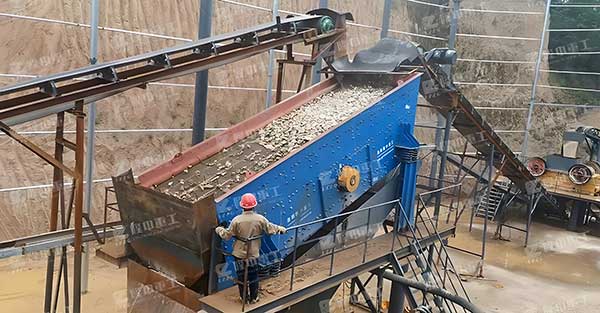
Solutions for Vibrating Screen Material Leakage
1. Optimize Structural Design and Enhance Equipment Sealing
During manufacturing, strictly control the machining precision of the screen frame and mesh frame to ensure millimeter-level accuracy and eliminate assembly gaps. Additionally, install integrated silicone seals at the contact points between the mesh frame and screen frame to ensure a tight, seamless fit, addressing material leakage at the structural root cause.
2. Standardize Feeding and Perform Regular Screen Maintenance
Equip the system with an automatic, uniform feeding system to reduce localized impact on the screen mesh, effectively extending its service life. Conduct regular equipment inspections to promptly repair or replace damaged screen meshes.
3. Replace Seals Regularly
Seals not only prevent leakage but also cushion friction between equipment components and reduce operational noise. If seals are found to be aged, damaged, or missing, replace them with new ones immediately to restore the equipment’s sealing integrity and operational stability, thereby completely resolving material leakage issues.





Send Message
Please write down your requirement and contact details in the following form. You can also send a message to us by this email export@lylzzg.com, we will reply to you within 24 hours.