


Silica Sand Washing Plant In South Australia
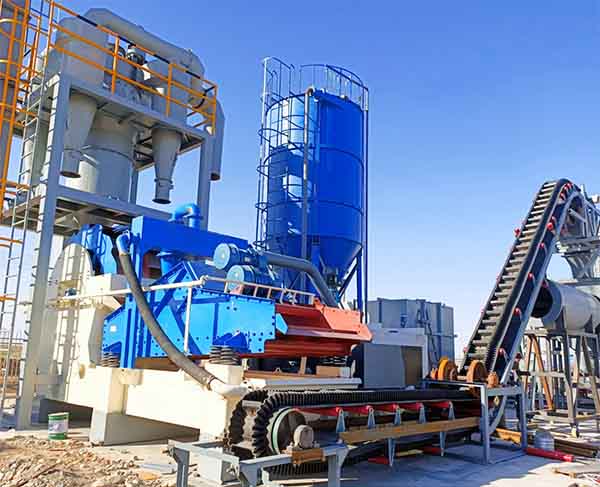
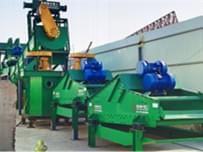
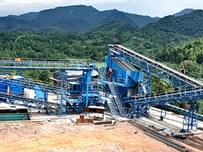
LZZG designed and built a 100 t/h silica sand washing plant in Adelaide, South Australia, for a major glass container manufacturer. The plant produces glass-grade sand that feeds the client’s local bottle manufacturing facility.
Project Overview
The site is in Adelaide, South Australia. The client runs a glass bottle plant nearby and needed a steady supply of washed silica sand that met glass-making specs — low iron, consistent gradation, and no clay coatings.
The raw silica sand was coming straight out of the ground with clay coatings and iron staining that disqualified it from glass-grade specs. LZZG’s job was to design a washing and classification circuit that could turn that run-of-mine sand into two salable products: glass sand for the client’s bottle plant, and concrete sand for the local building market.
The design feed rate is 100 t/h. The plant produces 50 t/h of glass sand at spec, plus 30 t/h of concrete sand as a by-product.

Equipment List
The plant uses a single-vendor LZZG line. Nothing is cobbled together from third parties, which matters for after-sales in a remote site like Adelaide.
| Equipment | Model | Qty | Capacity | Function |
| Trommel screen | WGT2460 | 1 | ≤100 mm feed, ≤250 t/h | Receives -120 mm ROM, scalps into 40–120 mm, 7–40 mm and 0–7 mm fractions with spray bars |
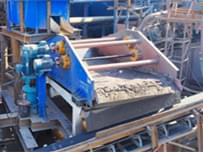
| Wet sizing screen | Custom | 1 | 80 t/h slurry | Splits 0.43–7 mm (concrete sand feed) from 0–0.43 mm (glass sand feed) |
| Screw sand washer | LX0920 | 1 | 30–60 t/h | Washes 0.43–7 mm fraction into saleable concrete sand |
| Sand washing & recycling | DL80 | 1 | 40–80 t/h | Hydrocyclone cluster recovers 0–0.43 mm glass sand; integrated dewatering screen discharges at 15–20% moisture |
| Attrition scrubber | CX4-1 | 1 | 40–80 t/h, 4 m³ chamber | Scrubs clay film and iron staining off the glass sand grain |
| Spiral chute | LZ-1500 | 8 sets | 4–6 t/h per set | Separates heavy mineral contaminants in parallel, upgrades SiO₂ grade |
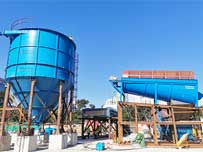
| Slurry thickener | NMJ12 | 1 | φ12 m, 113 m² | Thickens tailings slurry for dry stacking, recycles water to the wash plant |
Process Flow
The circuit runs continuously in three stages.
1. Scrubbing and Screening
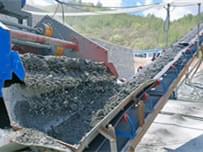
Run-of-mine sand at up to -120 mm is fed into the WGT2460 trommel hopper. The trommel has two decks with integrated spray bars:
- Top deck scalps 40–120 mm oversize to a separate stockpile (sold as road base)
- Bottom deck removes 7–40 mm to another stockpile
- 0–7 mm falls through to the sump and is pumped forward
This is where most of the clay is first loosened — the trommel spray bars agitate the sand as it rotates.
2. Fines Recovery and Washing
The 0–7 mm sump product (about 80 t/h) is pumped to the 5-deck wet sizing screen:
- 0.43–7 mm is sent to a separate LZZG sand washing plant on site, where it is processed into concrete sand
- 0–0.43 mm — the fraction that older plants would dump — is sent to the LZZG 1200 fines recovery unit. A hydrocyclone cluster spins out the silica sand, which drops onto the dewatering screen
Before the recovered sand reaches the final stockpile, it passes through attrition cells that scrub the remaining clay film and iron staining off the grain surface. This is the step that makes the difference between washed sand and glass-grade sand.
Eight LZ-1500 spiral chutes then make the final cut in parallel: they reject heavy mineral contaminants (the dark speckles that show up in clear glass) and upgrade the SiO₂ grade.
3. Dewatering and Tailings
Recovered sand leaves the DL80 dewatering screen at 15–20% moisture — stackable, conveyable, no dripping.
Waste slurry goes to the NMJ12 thickener. The thickener underflow is pumped to on-site settling ponds; the overflow water is recycled back to the wash plant. Closed-loop water was a hard requirement for this project — Adelaide’s water supply is restricted, and the client did not want a once-through make-up water bill.
Final Products
| Product | Output | Specification | End Use |
| Glass sand | 50 t/h | Meets glass-grade spec after CX4-1 scrubbing and LZ-1500 spiral separation | Client’s local bottle manufacturing plant |
| Concrete sand | 30 t/h | 0.43–7 mm washed sand from LX0920 screw washer | Local concrete and construction market |
| Oversize (40–120 mm) | Stockpiled | Scalped trommel oversize | Road base, sold locally |
| Tailings | Pumped to ponds | NMJ12 thickener underflow | Dry-stacked in settling ponds |
That’s the point of the design: 80 t/h of the 100 t/h feed leaves the plant as two salable products, not as slurry in a dam.
Why This Plant Works
Three things made this project work, and they’re worth knowing if you’re scoping a similar plant:
- One line, two products. Most silica sand plants only produce glass sand and throw away the rest. LZZG sized the circuit to split the feed into glass sand (DL80 + CX4-1 + LZ-1500) and concrete sand (LX0920) at the wet screen deck, so the client gets revenue from 80% of the tonnage instead of 50%.
- Closed-loop water. Adelaide doesn’t waste water. The NMJ12 thickener recycles the screen overflow back to the wash plant, so make-up water is only 8–10% of throughput — not 30% like a once-through plant.
- Built to glass-industry standards. When a glass container manufacturer signs off on your equipment, the spec discipline carries over. We’ve referenced this design on silica sand projects in Kenya, Algeria and Russia.
Get a Process Flow for Your Silica Sand Project
If you’re scoping a silica sand washing plant, send us:
- A sieve analysis of your raw feed
- The finished sand spec you need to meet (glass-grade, frac, foundry, or construction?)
- Required capacity in t/h
- Your site location and water situation
We’ll come back with a process flow diagram, equipment list and FOB price quote within 24 hours.
Not sure how to evaluate quotes? Read our guide on choosing a silica sand washing plant manufacturer.
See our silica sand processing line → Request a process flow





Send Message
Please write down your requirement and contact details in the following form. You can also send a message to us by this email export@lylzzg.com, we will reply to you within 24 hours.