


How Much Does a Sand Washing Plant Cost
Published: 11/09/2026
There is no single price for a sand washing plant, because the cost follows the feed material, the hourly capacity and the level of water treatment the site needs. A basic plant built around one washer can run to a few tens of thousands of dollars, while a closed-loop line with fines recovery, a thickener and a filter press costs several times that.
This page breaks down where the budget goes and works through a real 100 t/h example so you can compare quotations on the same basis.
What Drives the Cost of A Sand Washing Plant
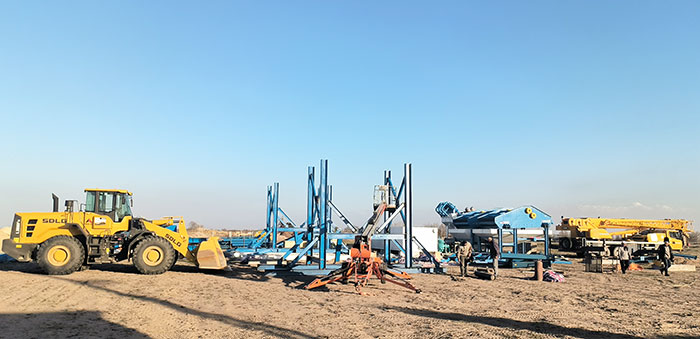
Most of the variation between quotations comes from a handful of engineering decisions, not from the brand name on the machine. Before comparing prices, settle the following points.
- Capacity. A 30 t/h plant and a 400 t/h line use different screen sizes, washers, pumps and conveyors. Size the plant to the hourly output of a normal shift rather than the daily total, so you do not pay for capacity you will never use.
- Feed Material. Clean, coarse river sand is straightforward. Heavily clay-bound or high-fines feed needs scrubbing, hydrocyclones and a larger water circuit, which adds equipment and steel.
- Fines Recovery. A hydrocyclone and dewatering screen keep the 200-mesh fraction in the product instead of losing it to the pond. They add cost upfront but return measurable saleable material.
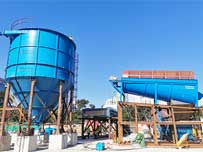
- Water and Sludge Handling. Plants that cannot discharge to a settling pond need a thickener and often a filter press. This is the biggest single difference between a low-cost and a fully closed-loop plant.
- Automation and Layout. PLC control, skid mounting and site constraints all change fabrication and installation hours.
Site and Setup Costs Before Equipment
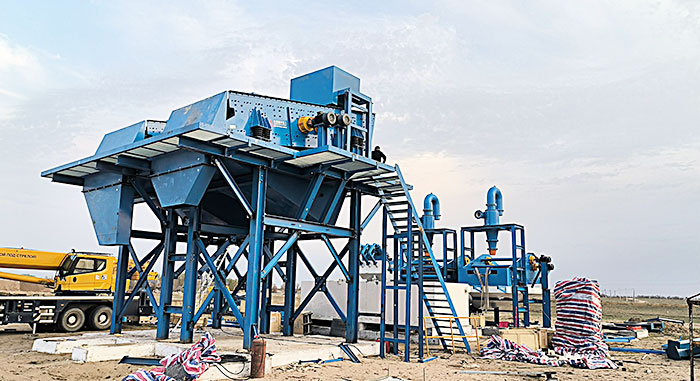
The equipment is only part of the budget. The site itself has to be chosen and prepared, and these costs are often overlooked in early planning.
- Pick ground with access for trucks and a reliable supply of power and water. Road widening and long power or water connections can cost more than expected.
- Keep the plant away from housing and place it downwind where possible, to limit dust and noise complaints.
- Keep a safe distance from any blasting area; local industry rules commonly require at least 200 metres.
- Allow enough area for raw feed stockpiles, finished product stockpiles and truck turning space, based on the planned capacity.
- If the ground is sloped or soft, budget for leveling, earthworks and foundations. Check the geology for drainage and flood risk before committing.
On top of site preparation, the full project budget includes permits and documentation, civil and steel structure work, installation and commissioning, and later labor and maintenance. Equipment is usually the largest single block, which is why the choice of manufacturer and configuration deserves the most attention.
Equipment That Makes Up the Budget
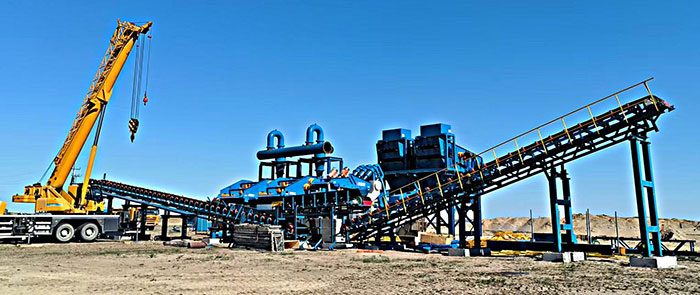
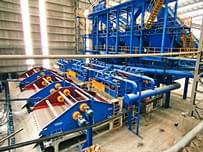
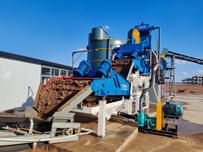
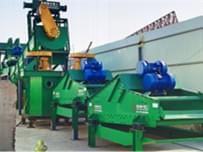
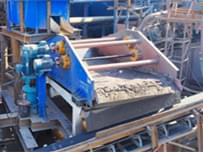
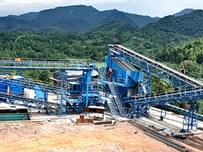
A typical washing line follows the sequence of feeding, screening, washing, dewatering and fines recovery, with each stage connected by belt conveyors. The main equipment includes a vibrating feeder, a vibrating screen, the sand washer, a dewatering screen and a fines recovery unit, together with conveyors, pumps and piping. Where the site requires it, a thickener, filter press, attrition scrubber and water treatment equipment are added.
It is worth noting that washing plants are configured differently from crushing or sand-making plants. The emphasis is on screening, scrubbing and water-based separation rather than staged crushing, so quotations should be checked against the actual washing process rather than a generic aggregate plant list. The exact configuration always depends on the feed size, fines and clay content, and the product standards you need to meet.
Worked Example: Budget For A 100 t/h Plant
A practical way to anchor the numbers is a 100 t/h plant for a relatively clean sand and gravel feed. A typical equipment list for this size is shown below.
| Item | Reference Model |
| Hopper | Welded on site |
| Vibrating feeder | GZD850x3000 |
| Vibrating screen | 2YA1548 |
| Sand washing machine | LZ30-65 |
| Belt conveyors | B500x10m + B500x12m |
For this basic configuration, the equipment works out to roughly 40,000 US dollars as a reference figure. Treat it as a starting point rather than a fixed quote: it reflects a single-stage washing setup without a thickener or filter press, and the price moves with steel costs, freight and the destination. Adding closed-loop water treatment, fines recovery or a larger capacity will raise the total accordingly. Ask any supplier to quote the same scope and incoterms so the figures are directly comparable.
Operating Costs After Commissioning
The purchase price is not the end of the cost. Two plants with similar capital cost can perform very differently over their working life, so the following should be part of the decision.
- Power and water. Closed-loop plants recycle most of their process water, which cuts both fresh water consumption and pond management. The main running cost is then electricity for motors and pumps.
- Wear parts. Screen meshes, pump parts, cyclone liners and screw or wheel wear components need periodic replacement. Check that spare parts are readily available.
- Labor and maintenance. A well-instrumented plant needs fewer operators and less downtime. Routine inspection and lubrication prevent most unplanned stoppages.
- Product recovery. Fines that stay in the product instead of the pond are direct revenue, which offsets the cost of the recovery equipment.
How To Get an Accurate Quotation
A realistic quote starts with accurate information. When you approach a supplier, provide the feed type and particle size, the clay and fines content, the required hourly capacity, the target product standards, and any limits on water use or discharge. These inputs determine the equipment list and the water circuit far more than a generic capacity figure on its own.
For a configured line matched to these requirements, see our complete sand washing plant solutions from 30 to 400 t/h, or send your material and capacity details and we will prepare a specific equipment list and quotation rather than a generic price range.
Previous:Aggregate Washing Equipment: How Screw Washers Clean Sand and Gravel
Next:none





Send Message
Please write down your requirement and contact details in the following form. You can also send a message to us by this email export@lylzzg.com, we will reply to you within 24 hours.